Entry · Ref 4K19XSWD
Emergency Dentist Beverly Hills: Same-Day Care for Urgent Dental Needs
- Posted
- 2026-10-01
- Last amended
- 2026-10-01
- Account
- @rylandebk867

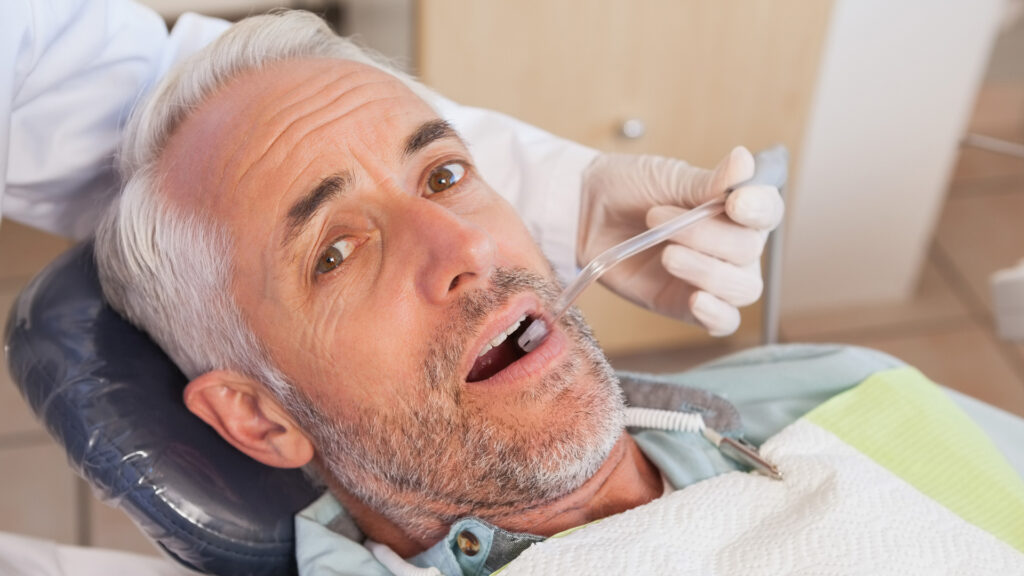

A dental emergency rarely arrives at a convenient hour. It tends to happen during dinner, before a flight, in the middle of a workday, or after a weekend game when a stray elbow meets a front tooth. In Beverly Hills, where schedules are tight and expectations for prompt care are high, same-day treatment is not a luxury. It is often the difference between saving a tooth and losing one, stopping an infection Emergency Dentist Beverly Hills before it spreads, or getting through the next 24 hours without severe pain.
When people search for an Emergency Dentist Beverly Hills, they are usually not browsing casually. They are trying to solve an immediate problem, often while in pain and unsure whether the situation can wait. That uncertainty matters. Some dental issues look minor at first and become more complicated by evening. Others feel dramatic but can be stabilized safely until the next business day. The key is knowing what deserves urgent attention and what kind of same-day care actually helps.
What counts as a true dental emergency
Not every toothache is an emergency, but many are more urgent than patients realize. The usual dividing line is simple: if there is uncontrolled bleeding, significant swelling, trauma, severe pain, or a risk that a tooth can no longer be saved, it should be treated promptly.
A cracked molar from biting something hard may seem manageable at noon and become unbearable by night if the crack reaches the nerve. A knocked-out tooth gives you a very short window for the best chance of saving it. An abscess can shift from a dental issue to a broader health concern when swelling begins to affect swallowing, breathing, or the spaces around the jaw.
In practice, emergency dentists see a wide range of urgent problems. Some are dramatic, like facial trauma or avulsed teeth. Others are quieter but just as serious, such as deep decay that has triggered acute nerve pain, a crown that came off a tooth with little remaining structure, or an infection under an old root canal that suddenly flares.
Pain is part of the picture, but not the only measure. One patient may have intense pain from a cracked tooth with no visible swelling. Another may report only mild discomfort while an infection is building under the surface. Good emergency care depends on a fast, careful diagnosis, not just a quick fix.
The cases that usually need same-day attention
There are some situations where waiting is simply a bad gamble. If you are dealing with any of the following, same-day evaluation is usually the right move:
- A knocked-out, loosened, or displaced tooth
- Severe tooth pain that does not respond to over-the-counter medication
- Facial swelling, gum swelling, or signs of infection
- A broken tooth with exposed inner structure or sharp edges
- Heavy bleeding after trauma or dental treatment
Each of these can escalate quickly. A knocked-out permanent tooth, for example, has the best chance of successful reimplantation when handled and treated as soon as possible. An infection that starts around one tooth can spread into the surrounding tissues, and once swelling begins to distort the face or limit normal mouth opening, treatment becomes more urgent.
What same-day emergency dental care actually involves
Same-day care does not always mean the entire problem is permanently solved in one visit. Sometimes it does. A loose crown may be cleaned and recemented in under an hour. A painful abscess may need drainage, imaging, medication, and either a root canal opening or extraction that same day. A fractured front tooth might be stabilized immediately and then restored cosmetically after the area settles.
A well-run emergency visit usually starts with triage. The office will want to know when the problem began, whether there is swelling, bleeding, fever, or trauma, and whether you are having trouble swallowing or breathing. That information helps staff decide how urgently you need to be seen and whether a dental office is the right first stop.
Once you arrive, the clinical sequence is fairly straightforward: examination, imaging when needed, diagnosis, pain control, and treatment or stabilization. This is where experience shows. Good emergency dentists know how to balance speed with judgment. If someone comes in with a broken tooth, the temptation is to focus on the fracture. But the real question is deeper: is the pulp exposed, is the root cracked, is the bite now traumatic, and is the tooth restorable in the long term?
Same-day treatment may include smoothing a sharp fracture, placing a temporary or permanent filling, recementing a restoration, draining an infection, starting root canal therapy, extracting a non-restorable tooth, splinting a traumatized tooth, or prescribing medication when clinically appropriate. Antibiotics are not a cure for dental pain by themselves. They have a role in certain infections, especially when swelling or systemic symptoms are present, but many emergencies need a procedural solution.
Why Beverly Hills patients often seek emergency dental care quickly
Beverly Hills is a community where appearance, function, and time all matter. A chipped front tooth before a public appearance, a sudden crown loss before meetings, or acute jaw pain before travel can feel especially disruptive. But the urgency is not only cosmetic or logistical. Many residents understand that delayed care often becomes more expensive, more invasive, and harder to schedule around life.
There is also a practical side to same-day dentistry in this area. People frequently have demanding work calendars, family obligations, and travel commitments. An office that can evaluate, image, diagnose, and begin treatment in one visit solves more than discomfort. It prevents days of uncertainty and limits the chance that a manageable dental problem turns into an after-hours crisis.
From a clinical standpoint, early intervention often produces better outcomes. A small fracture can sometimes be bonded or protected before it propagates. A reversible pulp inflammation can occasionally be calmed before it progresses to irreversible nerve damage. A loose veneer may be rescued before it is lost or swallowed. These details do not make headlines, but they matter in real life.
The most common emergencies and how dentists approach them
Severe toothaches
Not every toothache has the same source. Some arise from deep decay, some from cracked teeth, some from gum infections, and some from clenching or sinus pressure that mimics dental pain. The reason accurate diagnosis matters is that the treatments are different. A tooth needing root canal therapy cannot be fixed by adjusting the bite alone. A tooth with a hairline fracture may not show obvious decay at all.
When pain wakes a person at night, lingers after hot or cold, or throbs on its own, the pulp is often involved. In those cases, same-day relief may come from opening the tooth and removing inflamed tissue, placing medication inside, or moving directly into root canal treatment if the anatomy and time allow. If the tooth cannot be saved, extraction becomes the more honest option.
Broken, cracked, or chipped teeth
A chipped edge on a front tooth can range from superficial enamel damage to a deeper injury involving dentin or pulp. The appearance may be what alarms the patient first, but sensitivity, bite changes, and hidden cracks determine the urgency. Back teeth are especially tricky because a tooth can look only slightly damaged while a crack runs deep beneath the cusp.
Treatment depends on the depth and location of the fracture. Some teeth can be bonded immediately. Others need a sedative filling, crown build-up, temporary crown, or extraction if the fracture extends too far below the gumline. When trauma is involved, neighboring teeth should also be examined, because the most visibly damaged tooth is not always the only injured one.
Knocked-out teeth and sports injuries
This is one of the few areas where minutes matter in a very concrete way. If a permanent tooth is knocked out, keeping it moist is critical. The best temporary place is often back in the socket if that can be done carefully. If not, storing it in milk or a tooth preservation solution is usually better than letting it dry out. Scrubbing the root is a mistake, because the tiny cells on the root surface are part of what supports successful reimplantation.
Children add another layer of judgment. A baby tooth that is knocked out is generally not replanted because of the risk to the developing permanent tooth underneath. A permanent tooth in an adolescent or adult is a different story. This is exactly the kind of situation where calling an Emergency Dentist Beverly Hills office right away can change the outcome.
Swelling and dental abscesses
Facial swelling should never be brushed aside. An abscess can begin as a localized infection around a tooth and then move into the surrounding tissues. If swelling is increasing, the area feels warm, a bad taste or drainage is present, or there is fever, fatigue, or difficulty opening the mouth, urgent care is warranted.
What many patients do not realize is that antibiotics alone often offer only temporary improvement. If the infected tooth is not treated, the problem frequently returns. Proper management may involve drainage, root canal treatment, extraction, and careful follow-up. If swelling interferes with breathing or swallowing, that is no longer a routine dental office problem and can require hospital-based care.
Lost crowns, fillings, and dental work
These issues are not always dramatic, but they can become urgent depending on the tooth involved. A lost filling on a front tooth may be mostly aesthetic. A lost crown on a heavily restored molar can leave weakened tooth structure vulnerable to fracture with the next meal. If the exposed tooth is sensitive to air, sweets, or temperature, patients often seek help quickly.
Sometimes the solution is simple. If the crown fits well, the tooth is clean, and there is no recurrent decay, it may be recemented. Other times the underlying tooth has changed, cracked, or decayed and needs a new plan. Patients are often surprised to learn that a crown coming off is not random bad luck. It can signal loss of retention, cement breakdown, new decay, or biting forces that have been stressing the tooth for months.
What to do before you reach the dentist
There are a few sensible first steps that can protect the situation while you are arranging care:
- Rinse gently with warm salt water if the area is sore or irritated
- Use a cold compress on the outside of the face for swelling or trauma
- Take over-the-counter pain medication as directed, if medically safe for you
- Save any broken tooth fragment, crown, or appliance piece
- Avoid chewing on the affected side until the tooth is evaluated
The point is to stabilize, not to improvise a home repair. Patients sometimes try household glue, aggressive brushing, or repeated biting tests to see whether the tooth still hurts. That often makes things worse. If there is bleeding, steady pressure with clean gauze usually helps. If a tooth has been displaced, forcing it around repeatedly is not a good idea. Gentle handling and fast professional evaluation are safer.
How dentists decide between saving and removing a tooth
This is one of the more nuanced parts of emergency care. Patients often arrive hoping for a simple promise, either “we can definitely save it” or “just take it out.” Real judgment sits in the middle. The condition of the root, the amount of remaining tooth structure, the level of infection, the gum and bone support, the bite forces, and the long-term restorability all matter.
A front tooth fractured above the gumline may be very saveable. A molar fractured vertically into the root usually is not. A badly decayed tooth can sometimes be rebuilt with root canal treatment and a crown if the foundation is sound. Another tooth with less visible damage may be a poor candidate because decay extends below the gum or because a crack has split the root.
The best emergency dentists do not overpromise in the chair. They control pain, explain what is known, identify what is uncertain, and lay out the options with honesty. That is especially important when a temporary measure may buy time but not guarantee long-term success.
The role of sedation and pain control in urgent visits
Fear magnifies dental pain. So does sleep deprivation, which is common when an emergency flares at night. For anxious patients, same-day emergency care often goes better when the office has solid pain-control protocols and, when appropriate, sedation options. Local anesthetic remains the foundation, but in acutely inflamed teeth it can take experience to anesthetize the area effectively.
Sedation is not necessary for every emergency, and not every patient is a candidate on short notice. But for extractions, drainage procedures, or treatment in highly anxious patients, it can be very helpful. The practical point is that pain control should be addressed deliberately, not treated as an afterthought. A patient who has been suffering for 18 hours needs more than speed. They need calm, competent relief.
When an emergency dentist is not enough
Most urgent dental problems belong in a dental office. A few belong somewhere else first. If there is uncontrolled bleeding after major trauma, rapidly spreading swelling, fever with significant facial involvement, trauma affecting the jaw or cheekbones, or trouble swallowing or breathing, emergency medical care may be the safer first step.
This distinction matters because some infections and injuries move beyond the tooth itself. Dentists manage a great deal, but deep space infections, airway compromise, and significant facial fractures cross into medical and surgical territory. A responsible emergency dental office will tell you that directly.
What patients should ask when calling for same-day care
The quality of the first phone call often shapes the whole visit. Patients do better when they describe symptoms clearly: where the pain is, when it started, whether there is swelling, whether trauma occurred, and whether the tooth is broken, loose, or knocked out. Mention fever, medications, allergies, and relevant medical conditions. If you have a piece of the tooth or an old crown, say so.
It is also reasonable to ask whether the office handles true dental emergencies on-site or mainly offers assessment and referral. Some practices are equipped to extract teeth, begin root canals, manage trauma, and provide temporary stabilization immediately. Others may diagnose efficiently but refer certain procedures elsewhere. Neither model is inherently wrong, but when pain is severe, patients usually want to know whether treatment can start that day.
Cost, timing, and the value of acting early
Emergency dental visits vary in cost because the diagnosis and treatment vary. A focused exam and X-rays are very different from same-day extraction, root canal access, splinting, or temporary crown work. The mistake patients sometimes make is delaying care to avoid cost, only to end up needing more complex treatment later.
A small cavity that fractures can become a root canal. A loose crown can become a broken tooth. An untreated infection can become a weekend emergency with far fewer options. Even from a financial standpoint, prompt care often makes sense. From a comfort standpoint, it almost Emergency Dentist Beverly Hills always does.
Timing also affects scheduling efficiency. Earlier calls usually create more room for same-day intervention, imaging, and coordination with specialists if needed. By late afternoon, an office may still be able to evaluate and relieve pain, but certain procedures may need a second appointment depending on complexity.
Choosing the right Emergency Dentist Beverly Hills
The best fit is not just the nearest office with a phone number online. In urgent care, experience, responsiveness, and practical capability matter. A strong emergency dental practice answers the phone with useful triage questions, makes room for true emergencies, communicates clearly about what can be handled that day, and follows through with decisive treatment.
Patients should look for signs of real readiness. Does the office routinely treat urgent pain, trauma, and infection? Can it take diagnostic images immediately? Is there a plan for after-hours guidance if symptoms change? Does the team explain next steps in plain language? Those details separate a reassuring experience from a chaotic one.
There is also value in judgment that does not feel rushed. A polished office means little if the diagnosis is sloppy. In emergency dentistry, the calm clinician who can sort out whether a tooth is cracked, infected, bruised, or truly non-restorable is the one patients remember, because that judgment protects both health and time.
A dental emergency can feel isolating when it hits, especially outside the neat boundaries of a routine workday. The right same-day care changes that quickly. It replaces uncertainty with a plan, pain with relief, and panic with next steps that make sense. For anyone facing sudden dental pain, swelling, trauma, or a damaged tooth, finding an experienced Emergency Dentist Beverly Hills is not simply about convenience. It is about getting the problem under control while the best treatment options are still on the table.
Dental Group of Beverly Hills
8641 Wilshire Blvd #125, Beverly Hills, CA 90211, United States
Phone: +1 (310) 929-6335
FAQ About Emergency Dentist Beverly Hills
What is considered to be a dental emergency?
Severe tooth pain, a knocked-out permanent tooth, a significant tooth fracture, or suspected dental infection needs prompt professional assessment. Contact a dentist to describe the problem and arrange appropriate care. Trouble breathing or swallowing, uncontrolled bleeding, or major facial injury requires immediate emergency medical attention.
How to tell if tooth pain is serious?
Pain that is severe, persistent, or accompanied by fever, facial swelling, or a bad taste should be assessed promptly by a dentist. The cause cannot be confirmed from symptoms alone. If swelling affects breathing or swallowing, call 911 or go to an emergency department.
What do I do if I have a dental emergency and no dentist?
Call a nearby dental practice that accepts urgent patients and explain your symptoms, when they began, and any recent injury. Ask about the earliest available assessment and what information to bring. For life-threatening symptoms, seek emergency medical care immediately instead of waiting for a dental appointment.